
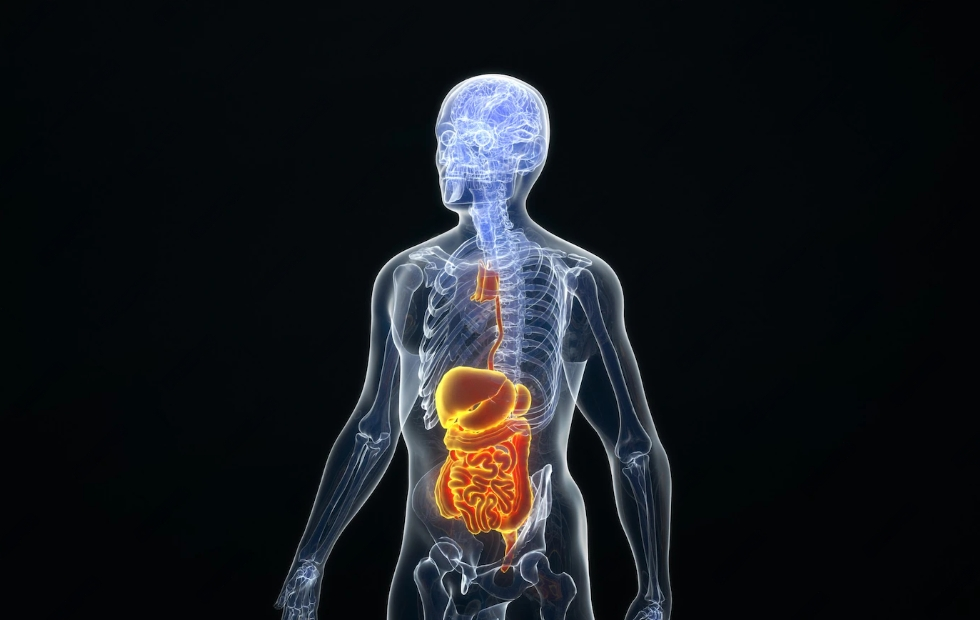
What Is Agni in Ayurveda? Why Digestion Matters for Your Health
In Ayurveda, Agni is one of the most important concepts related to digestion, metabolism and overall health. The word Agni is commonly translated as “digestive fire” and refers to the processes responsible for digesting food and transforming it into nourishment for the body.
According to Ayurveda, balanced Agni supports proper digestion, energy and overall wellbeing. When digestion is disturbed, a person may experience symptoms such as bloating, gas, heaviness, irregular appetite or changes in bowel habits.
Ayurveda therefore considers healthy digestion an important foundation of good health.
What Is Agni in Ayurveda?
Agni refers to the body’s ability to digest and transform food and other substances. Ayurveda describes Agni as an important factor in maintaining healthy nourishment and physiological balance.
Agni is not simply about the stomach or digestion alone. Ayurvedic texts describe different forms of Agni involved in the transformation of food and tissues throughout the body.
For everyday nutrition, however, Jatharagni, the primary digestive Agni associated with digestion of food, is particularly important.
Why Is Agni Important for Health?
Ayurveda considers balanced Agni essential for the proper processing and utilization of food.
Healthy digestion may support:
- Comfortable digestion after meals
- Proper nourishment from food
- Regular appetite
- Healthy bowel habits
- Good energy levels
- Overall physical wellbeing
When digestion is not functioning comfortably, dietary choices and eating habits may need to be reviewed.
Types of Agni According to Ayurveda
Ayurveda traditionally describes different states of Agni. The main patterns include:
Sama Agni
Sama Agni refers to balanced digestive function. Appetite, digestion and elimination are considered relatively stable.
Vishama Agni
Vishama Agni is associated with irregular digestion. Appetite and digestive comfort may fluctuate, and symptoms such as gas or bloating may occur.
Tikshna Agni
Tikshna Agni refers to very strong or intense digestive activity. A person may experience frequent hunger or discomfort when meals are delayed.
Manda Agni
Manda Agni refers to relatively slow or weak digestive function and may be associated with heaviness, sluggish digestion and reduced appetite.
These Ayurvedic concepts are traditionally understood within the context of an individual’s Prakriti, Dosha, lifestyle, diet and overall health.
What Can Affect Agni?
According to Ayurveda, several dietary and lifestyle habits may influence digestive function.
These may include:
- Overeating
- Irregular meal timings
- Frequent unnecessary snacking
- Eating without hunger
- Very heavy meals
- Excessive processed foods
- Lack of physical activity
- Inadequate sleep
- Chronic stress
Therefore, supporting digestion is not only about choosing a particular food. Daily habits and eating patterns also matter.
Best Ayurvedic Foods to Support Healthy Digestion
A digestion-friendly diet can include simple, freshly prepared foods such as:
Moong dal: Traditionally considered light and relatively easy to digest.
Khichdi: A simple rice and moong dal preparation that can be a nourishing and comforting meal.
Cooked vegetables: Lauki, tori, pumpkin, carrot, spinach and other seasonal vegetables can be included according to individual tolerance.
Ginger: Commonly used in Ayurvedic and Indian cooking and traditionally valued for supporting digestive comfort.
Cumin and coriander: Common culinary spices that can be incorporated into everyday meals.
Buttermilk: Fresh buttermilk may be suitable for people who tolerate dairy well and can be included as part of a balanced meal.
Simple Ayurvedic Habits for Better Agni
Supporting healthy digestion does not require complicated routines.
Try to:
- Eat according to genuine hunger.
- Avoid overeating.
- Eat slowly and chew food properly.
- Prefer freshly prepared meals.
- Maintain reasonably regular meal timings.
- Avoid unnecessary frequent snacking.
- Stay physically active.
- Maintain a consistent sleep routine.
- Manage stress through suitable practices such as yoga or meditation.
Agni and Modern Digestive Health
Ayurvedic concepts such as Agni come from a traditional medical system and should not be considered direct equivalents of modern medical concepts such as metabolism, stomach acid or digestive enzymes.
However, several Ayurvedic lifestyle principles—such as eating mindfully, avoiding overeating, choosing nutritious foods, staying active and maintaining healthy sleep—can complement a healthy modern lifestyle.
Persistent symptoms such as severe abdominal pain, ongoing vomiting, blood in the stool, unexplained weight loss or long-lasting changes in bowel habits should be evaluated by a qualified healthcare professional.
Frequently Asked Questions
What is Agni in Ayurveda?
Agni is an Ayurvedic concept describing the processes responsible for digestion and transformation of food and nourishment within the body. Jatharagni refers particularly to the primary digestive Agni.
How can I improve Agni naturally?
Eating appropriate portions, maintaining regular meal habits, choosing freshly prepared foods, staying physically active and maintaining adequate sleep can support healthy digestive habits.
What foods are good for Agni?
Simple foods such as moong dal, suitable khichdi, cooked vegetables and appropriate digestive spices can form part of a digestion-friendly diet. Individual suitability is important.
Does weak Agni cause weight gain?
Ayurveda associates certain patterns of slow digestion and heaviness with Manda Agni. However, weight gain has many possible causes, including dietary intake, physical activity, sleep, medications and medical conditions.
Is Agni the same as metabolism?
Not exactly. Agni is a traditional Ayurvedic concept and should not be treated as a direct scientific equivalent of modern metabolism. The two concepts come from different medical frameworks.
Conclusion
In Ayurveda, Agni is considered one of the foundations of healthy digestion and nourishment.
Rather than focusing only on individual foods, Ayurveda encourages us to look at the complete picture—what we eat, how much we eat, when we eat and how we live.
By choosing fresh foods, eating mindfully, avoiding overeating, maintaining regular routines and staying physically active, you can develop habits that support healthy digestion and overall wellbeing.
There is no single diet that is ideal for everyone. Your dietary approach should be personalized according to your Prakriti, digestion, lifestyle, food preferences and health needs.
If you frequently experience bloating, acidity, gas, constipation, irregular appetite or heaviness after meals, a personalized Ayurvedic nutrition consultation can help you understand your dietary patterns and create a practical plan for better digestive health.