Ayurvedic Diet for Fatty Liver: What to Eat and What to Avoid
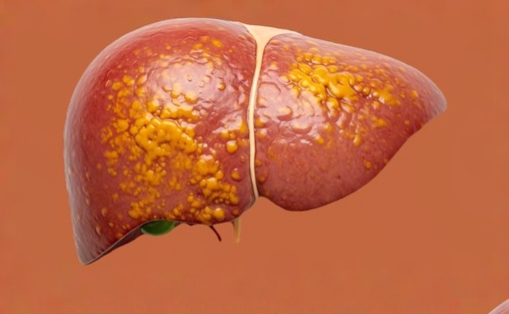
Fatty liver occurs when excess fat accumulates in the liver. The condition is now often discussed under the broader term metabolic dysfunction-associated steatotic liver disease (MASLD) when it is associated with metabolic risk factors. Lifestyle and dietary changes are important parts of managing fatty liver.
From an Ayurvedic perspective, healthy digestion, appropriate food choices, physical activity and a balanced daily routine are important aspects of maintaining overall health.
An Ayurvedic diet for fatty liver should focus on fresh, balanced and minimally processed foods while reducing excessive sugar, fried foods, refined carbohydrates and overeating.
How Ayurveda Approaches Fatty Liver
Ayurveda considers factors such as Agni (digestive capacity), Prakriti (body constitution), Ahara (diet), Dinacharya (daily routine) and lifestyle when planning nutrition.
A suitable diet generally focuses on:
- Fresh and seasonal foods
- Plenty of vegetables
- Adequate protein
- Whole grains in appropriate portions
- Limited sugar and highly processed foods
- Moderate use of oils and fats
- Regular meal timings
- Appropriate portion sizes
- Regular physical activity
The objective is to support healthy liver function, metabolic health and sustainable weight management rather than relying on quick detoxes or restrictive diets.
Best Foods for Fatty Liver
A balanced Indian diet for fatty liver can include nutritious foods such as:
Vegetables: Lauki, tori, pumpkin, spinach, beans, cabbage, cauliflower, carrot, broccoli and other seasonal vegetables.
Protein-rich foods: Moong dal, masoor dal, chana, rajma, tofu, paneer, curd and other suitable protein sources according to individual requirements.
Whole grains: Barley (Yava), oats, millets, brown rice and whole wheat can be included in appropriate portions.
Fruits: Whole seasonal fruits can be included in moderate portions. Prefer whole fruit over fruit juices or sweetened drinks.
Healthy fats: Small quantities of nuts, seeds and suitable cooking oils can be included. Even healthy fats should be consumed in moderation because they are energy-dense.
Foods to Avoid or Limit
For better liver and metabolic health, reduce frequent consumption of:
- Sweets and mithai
- Sugary beverages and soft drinks
- Fruit juices with added or concentrated sugars
- Biscuits and bakery products
- Deep-fried foods
- Packaged snacks
- Excessive refined flour
- Large portions of refined carbohydrates
- Excessive saturated-fat-rich foods
- Frequent late-night heavy meals
Alcohol should also be discussed with your doctor, particularly if you have liver disease. The causes and types of steatotic liver disease vary, so alcohol intake should not be ignored when assessing liver health.
You do not necessarily need to completely eliminate every food you enjoy. Overall dietary pattern, portion size and consistency are key.
The Importance of Agni
Agni is one of the central concepts in Ayurvedic nutrition.
Ayurveda emphasizes not only what we eat, but also how much, when and how comfortably we digest our food.
Overeating, frequent snacking, irregular meals and very heavy foods may make healthy eating more difficult.
Therefore, try to:
- Eat according to genuine hunger
- Avoid overeating
- Eat slowly and mindfully
- Prefer freshly prepared meals
- Maintain reasonably regular meal timings
- Keep portions appropriate to your energy needs
Sample Ayurvedic Diet for Fatty Liver
Early Morning
Plain or warm water according to your preference. There is no need to add sugar or honey for “liver cleansing.”
Breakfast
Moong chilla, vegetable dalia, vegetable poha, oats or another balanced breakfast containing an appropriate protein source.
Mid-Morning
One serving of whole seasonal fruit if hungry.
Lunch
Roti or an appropriate portion of rice + dal/protein source + seasonal vegetables + salad or curd, as suitable.
Evening
Roasted chana, a small portion of nuts or another light snack if genuinely hungry.
Dinner
Vegetable soup, moong dal, khichdi or cooked vegetables with a suitable portion of roti and an appropriate protein source.
Note: This is only a general dietary example. A personalized diet should consider your body composition, Prakriti, digestion, lifestyle, liver health, medications, blood tests and other medical conditions.
Ayurveda and Lifestyle for Fatty Liver
Diet alone is not enough for managing fatty liver.
Regular physical activity is an important part of liver and metabolic health. A combination of aerobic activity and resistance training can be beneficial. Current liver guidance also emphasizes physical activity and sustainable lifestyle changes.
Ayurveda emphasizes Dinacharya, or a healthy daily routine.
Regular walking, yoga, strength training or other suitable physical activity can be included according to fitness level and medical advice.
Adequate sleep and stress management are also important parts of a healthy lifestyle.
Avoid relying on “liver detox” drinks, fat-burning teas or herbal supplements as substitutes for proper nutrition and medical care.
Frequently Asked Questions
Can Ayurveda cure fatty liver?
Fatty liver can have different causes and stages, and there is no single Ayurvedic food or treatment that can be considered a guaranteed cure. Ayurvedic nutrition may be used as a supportive lifestyle approach alongside appropriate medical evaluation and care.
Is rice allowed in fatty liver?
Yes. Rice can be included in appropriate portions. The overall dietary pattern and total energy intake are more important than completely eliminating one particular food.
Which fruits are good for fatty liver?
Whole seasonal fruits can generally be included in appropriate portions. Whole fruit is preferable to fruit juice because it provides fibre and is easier to portion.
Is ghee good for fatty liver?
Ghee can be used in small quantities if it fits your overall dietary needs. However, it is energy-dense, so excessive consumption is not advisable when managing fatty liver or body weight.
Can fatty liver be reversed naturally?
In many people, lifestyle changes can significantly improve liver fat and metabolic health. Weight reduction, when appropriate, along with a healthy diet and regular physical activity can be beneficial. Current guidance notes that meaningful weight loss can improve hepatic steatosis and other features of metabolic fatty liver disease.
Conclusion
An Ayurvedic approach to fatty liver is about balanced nutrition, healthy digestion, appropriate portions and a sustainable lifestyle.
By choosing fresh foods, eating more vegetables and suitable protein, limiting sugar and highly processed foods, staying physically active and maintaining a healthy routine, you can develop habits that support better liver and metabolic health.
There is no single Ayurvedic diet that is perfect for everyone with fatty liver. Your ideal diet should be personalized according to your Prakriti, digestion, lifestyle, nutritional requirements and liver health.
If you have been diagnosed with fatty liver or have elevated liver enzymes, a personalized Ayurvedic nutrition plan can be developed alongside appropriate medical evaluation and monitoring.