Best Ayurvedic Foods for Gut Health and Better Digestion
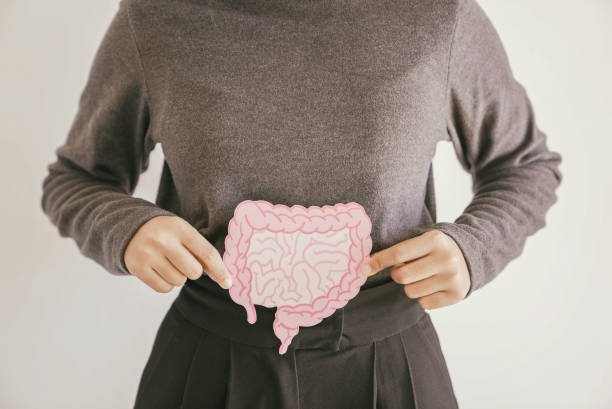
Good digestion is one of the foundations of health according to Ayurveda. Ayurveda gives great importance to Agni (digestive fire), which is responsible for the proper digestion and assimilation of food.
When digestion is balanced, the body can receive nourishment effectively. Irregular meals, overeating, processed foods, stress and poor lifestyle habits may contribute to digestive discomfort such as bloating, heaviness, gas, constipation or irregular bowel movements.
An Ayurvedic approach to gut health focuses on fresh food, appropriate portions, mindful eating, suitable spices and a balanced daily routine.
How Ayurveda Approaches Gut Health
Ayurveda considers Agni, Prakriti (body constitution), food habits, lifestyle and seasonal changes when understanding digestive health.
A digestion-friendly diet generally focuses on:
- Freshly prepared and seasonal foods
- Easily digestible meals
- Appropriate portion sizes
- Regular meal timings
- Adequate hydration
- Natural herbs and spices
- Mindful eating
- Regular physical activity
The objective is not just temporary relief from digestive discomfort but supporting healthy digestion as part of overall wellbeing.
Best Ayurvedic Foods for Gut Health
A gut-friendly Ayurvedic diet can include nutritious foods such as:
Moong dal: Moong dal is traditionally considered light and relatively easy to digest. It can be included in dal, soups and khichdi.
Khichdi: A simple preparation of rice and moong dal can be a nourishing and comforting meal, particularly when you prefer lighter food.
Cooked vegetables: Lauki, tori, pumpkin, carrot, beans, spinach and other seasonal vegetables can be included according to individual digestion.
Ginger: Fresh ginger is traditionally used in Ayurvedic cooking and may support digestive comfort.
Cumin: Cumin is a commonly used Ayurvedic spice that can be added to dals, vegetables and other meals.
Ajwain: Ajwain is traditionally used in Indian households to support digestive comfort, especially after heavy meals.
Buttermilk: Fresh buttermilk can be included by people who tolerate dairy well. It is traditionally considered a light accompaniment to meals.
Seasonal fruits: Fruits provide fibre, vitamins and minerals and can be included in appropriate portions according to individual tolerance.
Ayurvedic Spices for Better Digestion
Several everyday spices can make meals more digestion-friendly:
- Ginger
- Cumin
- Ajwain
- Coriander
- Fennel
- Turmeric
- Black pepper
These spices should be used according to individual tolerance. Excessively spicy food may not be suitable for everyone.
Foods to Limit for Better Digestion
If you frequently experience digestive discomfort, it may be helpful to reduce excessive consumption of:
- Deep-fried foods
- Highly processed foods
- Excessive sweets
- Sugary beverages
- Very heavy meals
- Excessive refined foods
- Frequent late-night eating
- Overeating and unnecessary snacking
You do not necessarily need to eliminate every food from your diet. Individual tolerance, portion size and frequency are important.
The Importance of Agni
Agni is one of the central concepts in Ayurvedic nutrition.
Ayurveda emphasizes not only what we eat, but also how, when and how much we eat.
Irregular meals, overeating, eating without hunger and poor food habits may affect digestive comfort.
Therefore, try to:
- Eat when genuinely hungry
- Avoid overeating
- Eat slowly and chew properly
- Prefer freshly prepared meals
- Maintain reasonably consistent meal timings
- Avoid unnecessary frequent snacking
Sample Ayurvedic Diet for Better Digestion
Early Morning
Warm or plain water according to your preference and individual suitability.
Breakfast
Moong chilla, vegetable poha, dalia or another light and balanced breakfast.
Mid-Morning
One serving of seasonal fruit if hungry.
Lunch
Roti or rice + dal + seasonal cooked vegetables + buttermilk or curd, as suitable.
Evening
Roasted chana, a small portion of nuts or another light snack if genuinely hungry.
Dinner
Light vegetable soup, moong dal, khichdi or cooked vegetables with a suitable portion of roti.
Note: This is only a general example. A personalized diet should consider your Prakriti, Agni, digestive tolerance, lifestyle, health conditions and nutritional requirements.
Ayurveda and Daily Routine for Better Digestion
Gut health is influenced by more than food.
Ayurveda emphasizes Dinacharya, or a healthy daily routine, to support overall wellbeing.
Regular physical activity, adequate sleep, stress management and mindful eating can all contribute to better digestive health.
Avoid relying on “detox drinks,” digestive supplements or herbal products as substitutes for a balanced diet. Persistent digestive symptoms should be evaluated by a qualified healthcare professional.
Frequently Asked Questions
What is the best Ayurvedic food for digestion?
There is no single food that is best for everyone. Simple foods such as moong dal, suitable khichdi, cooked vegetables and appropriate spices can be part of a digestion-friendly diet.
Is curd good for gut health?
Curd can be suitable for some people and provides nutrients, but individual tolerance varies. Fresh curd or appropriately prepared buttermilk may be included according to personal suitability.
Is ginger good for digestion?
Ginger is traditionally used in Ayurveda and Indian cooking to support digestive comfort. It should be consumed according to individual tolerance.
What should I eat when digestion is weak?
Simple, freshly prepared and easily digestible meals such as moong dal, suitable khichdi, soups and cooked vegetables may be appropriate. If digestive problems persist, professional evaluation is recommended.
Conclusion
An Ayurvedic approach to gut health is about supporting healthy digestion through food, routine and mindful eating.
By choosing fresh foods, eating appropriate portions, using suitable spices, maintaining regular meal timings and following a healthy daily routine, you can develop habits that support better digestion and overall wellbeing.
There is no single Ayurvedic diet that is perfect for everyone. Your ideal diet should be personalized according to your Prakriti, Agni, lifestyle, food preferences and health needs.
If you frequently experience bloating, acidity, constipation, gas, irregular bowel movements or other digestive discomfort, a personalized Ayurvedic nutrition consultation can help you understand your dietary needs and create a practical plan for better digestion.