Ayurvedic Diet for Thyroid Health: Foods, Lifestyle & Daily Routine
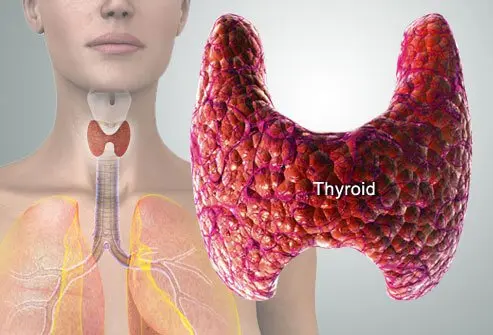
The thyroid gland plays an important role in regulating metabolism, energy production, body temperature and many other functions of the body. Thyroid conditions such as hypothyroidism and hyperthyroidism require appropriate medical evaluation and management.
From an Ayurvedic perspective, nutrition, digestion, lifestyle and daily routine are important aspects of maintaining overall wellbeing. Ayurveda considers factors such as Prakriti (body constitution), Agni (digestive capacity), Ahara (diet) and Dinacharya (daily routine) when planning an individualized diet.
An Ayurvedic diet for thyroid health should focus on balanced nutrition, adequate protein, vegetables, whole foods, regular meals and a healthy lifestyle rather than relying on a single food, supplement or herbal remedy.
How Ayurveda Approaches Thyroid Health
Ayurveda does not have a direct one-to-one equivalent of modern thyroid disorders. Therefore, thyroid disease should be properly diagnosed using modern medical evaluation, while Ayurvedic nutrition and lifestyle practices may be used as supportive measures.
A suitable diet generally focuses on:
- Fresh and minimally processed foods
- Adequate protein
- Plenty of vegetables
- Whole grains in appropriate portions
- Healthy sources of fats
- Seasonal fruits
- Regular and balanced meals
- Adequate hydration
- Regular physical activity
- Healthy sleep and stress management
The objective is to support overall metabolic health, energy, digestion and nutritional adequacy.
Best Foods for Thyroid Health
A balanced Indian diet can include nutritious foods such as:
Protein-rich foods: Moong dal, masoor dal, chana, rajma, tofu, paneer, curd, eggs or other suitable protein sources according to individual dietary preferences.
Vegetables: Lauki, tori, carrot, beans, spinach, pumpkin, cauliflower, cabbage, broccoli and other seasonal vegetables can be included as part of a varied diet.
Whole grains: Barley (Yava), oats, millets, brown rice and whole wheat can be included in appropriate portions.
Healthy fats: Nuts, seeds and suitable cooking oils can provide essential fats. Ghee may also be used in moderation according to individual dietary requirements.
Fruits: Whole seasonal fruits can provide fibre, vitamins, minerals and other nutrients. Choose portions according to your overall dietary needs.
Important Nutrients for Thyroid Health
Adequate nutrition is important for normal thyroid function.
Important nutrients include:
- Iodine
- Selenium
- Zinc
- Iron
- Vitamin B12
- Vitamin D
- Protein
However, taking high-dose supplements without testing or professional advice is not recommended. Excessive intake of certain nutrients, particularly iodine, can also be harmful to thyroid health.
Foods and Habits to Limit
For overall metabolic and thyroid health, reduce frequent consumption of:
- Highly processed foods
- Sugary beverages
- Excessive sweets
- Deep-fried foods
- Packaged snacks
- Excessive refined flour
- Frequent late-night heavy meals
- Unnecessary herbal or thyroid supplements
There is generally no need to completely eliminate common vegetables such as cabbage, cauliflower or broccoli from the diet. Cooking these vegetables can reduce their goitrogenic compounds, and normal portions are generally compatible with a balanced diet.
The Importance of Meal Timing
Regular and balanced meals can make it easier to maintain healthy eating habits and energy levels.
Try to:
- Avoid regularly skipping meals and overeating later.
- Include protein and fibre in meals.
- Eat slowly and mindfully.
- Keep portions appropriate.
- Avoid making late-night heavy meals a regular habit.
If you take thyroid medication such as levothyroxine, timing matters. It is commonly taken on an empty stomach, and food, coffee and certain supplements or medicines can interfere with absorption. Follow the timing instructions provided by your doctor or pharmacist.
Sample Ayurvedic Diet for Thyroid Health
Early Morning
Plain or warm water according to your preference. Avoid taking supplements or herbal preparations with thyroid medication unless advised by your healthcare professional.
Breakfast
Moong chilla, vegetable dalia, vegetable poha, oats or another balanced breakfast containing an appropriate protein source.
Mid-Morning
One serving of seasonal fruit if hungry.
Lunch
Roti or an appropriate portion of rice + dal/protein source + seasonal vegetables + curd or another suitable accompaniment.
Evening
Roasted chana, a small portion of nuts or another suitable light snack if genuinely hungry.
Dinner
Vegetable soup, moong dal, khichdi or cooked vegetables with a suitable portion of roti and an appropriate protein source.
Note: This is only a general dietary example. A personalized diet should consider your thyroid condition, thyroid medication, laboratory results, Prakriti, digestion, lifestyle, nutritional requirements and other health conditions.
Ayurveda and Daily Routine for Thyroid Health
Diet is only one part of maintaining overall health with a thyroid condition.
Ayurveda emphasizes Dinacharya, or a healthy daily routine.
Regular walking, yoga, strength training or other suitable physical activity can support fitness, metabolic health and overall wellbeing.
Adequate sleep and stress management are also important. Practices such as gentle yoga, meditation and breathing exercises may be incorporated according to individual preference and health status.
Avoid relying on “thyroid detox” drinks, weight-loss teas or herbal supplements as substitutes for thyroid medication or medical care.
Frequently Asked Questions
Can Ayurveda cure thyroid problems?
Thyroid disorders have different causes and require appropriate diagnosis and monitoring. There is no single Ayurvedic food or diet that can be considered a guaranteed cure. Ayurvedic nutrition may be used as a supportive lifestyle approach alongside appropriate medical care.
Can I eat cabbage and cauliflower if I have hypothyroidism?
For most people, there is no need to completely avoid these vegetables. Normal portions as part of a varied diet are generally acceptable, particularly when cooked. Individual dietary requirements should still be considered.
Is iodine good for thyroid health?
Iodine is essential for thyroid hormone production, but more is not necessarily better. Both iodine deficiency and excessive iodine intake can affect thyroid function. Avoid taking high-dose iodine supplements unless specifically recommended by a healthcare professional.
Is soy allowed in hypothyroidism?
Soy foods can be part of a balanced diet for many people. However, if you take levothyroxine, large amounts of soy and the timing of soy-containing meals may affect medication absorption. Follow your healthcare professional’s advice regarding medication timing.
Can thyroid patients eat millets?
Millets can be included as nutritious whole grains for many people. There is no general requirement for every thyroid patient to completely avoid millets. Portion size and the overall dietary pattern remain important.
Can I stop thyroid medicine after changing my diet?
No. Do not stop or change prescribed thyroid medication without consulting your doctor. Thyroid hormone levels should be monitored through appropriate medical testing.
Conclusion
An Ayurvedic approach to thyroid health is about balanced nutrition, healthy digestion, regular meals and a sustainable daily routine.
By choosing fresh foods, eating adequate protein and vegetables, maintaining appropriate portions, staying physically active and getting adequate sleep, you can develop lifestyle habits that support overall wellbeing.
There is no single Ayurvedic diet that is perfect for everyone with a thyroid condition. Your ideal diet should be personalized according to your thyroid diagnosis, medication, laboratory results, Prakriti, digestion, lifestyle and nutritional needs.
If you have hypothyroidism, hyperthyroidism or unexplained thyroid-related symptoms, a personalized Ayurvedic nutrition plan can help you develop practical dietary and lifestyle habits while continuing appropriate medical evaluation and treatment.